
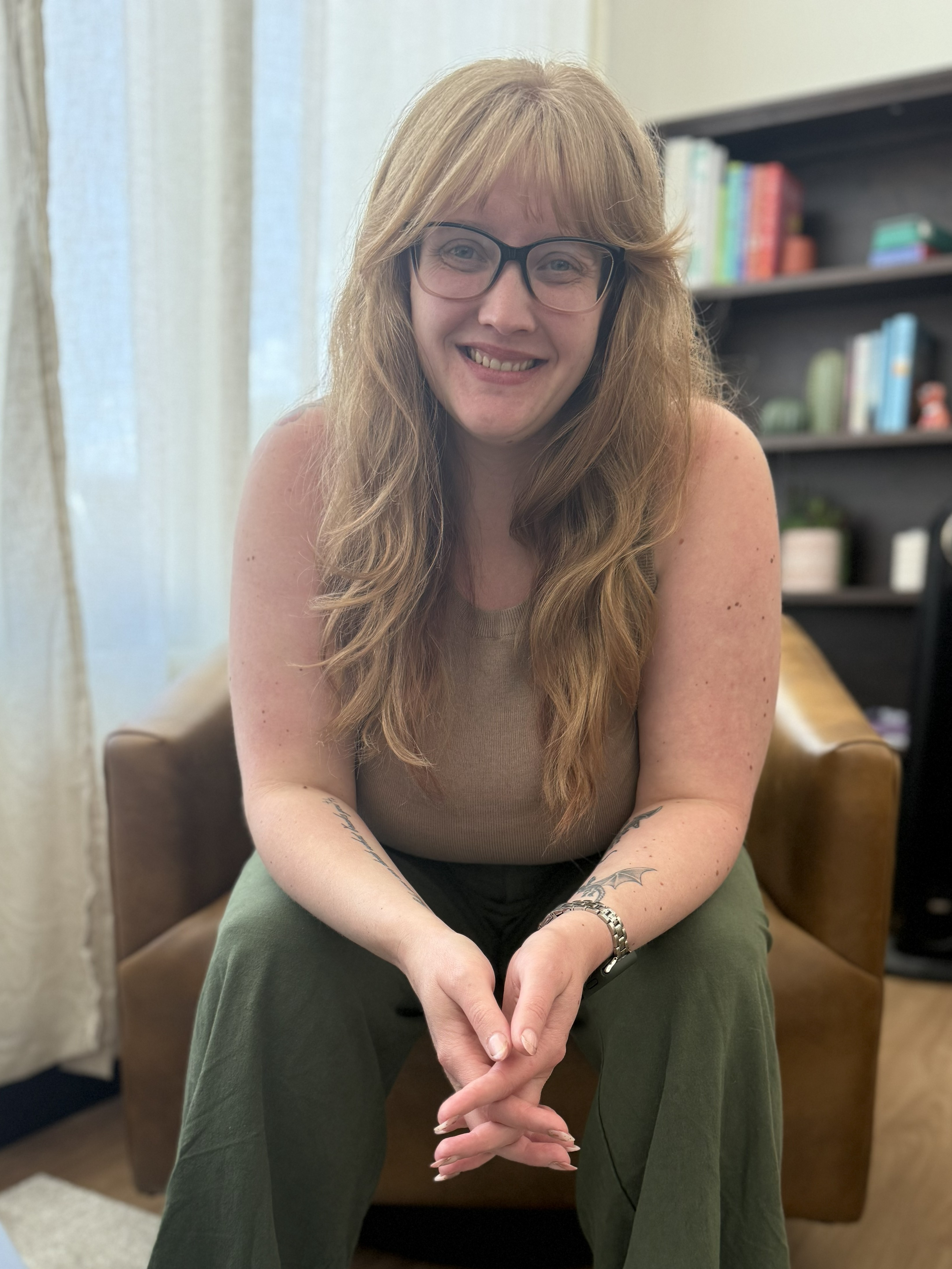
Jami De León, MA, LMFT
Who I help
Conflict. Monotony. Anxiety. Pain. Life’s challenges can strike at any moment, whether we expect them or not. They often masquerade as a lack of passion, frequent miscommunication, negative self-talk, emotional disconnection, and repeated unhelpful behaviors. Regardless of the specific issue, my best work is with adults who want to grow individually and within their relationships. If you have tried to improve on your own but haven’t made as much progress as you want, or you simply don’t know how to make life feel better, we can work together to identify the underlying barriers and create a plan for long-lasting change. We may be a good fit if you are willing to self-reflect, consistently work between sessions, and be open to gentle confrontation. My ultimate goal is for you to develop the necessary skills to be capable of approaching difficulties on your own ⎯ rather than needing to rely on therapy indefinitely.
Specialties
Betrayal to Trust
Betrayal, or broken trust, causes deep relational wounds that many don’t know how to navigate. Pain, guilt, anger, and shame are common emotions partners experience ─ leading many couples to attempt healing on their own, often unsuccessfully. Whether there has been a recent betrayal discovery or you feel stuck after trying to heal for many years, we can work together to untangle and repair from the slow degradation of trust that occurs over the course of many negative interactions.
Read more about my approach
My approach follows John Gottman’s three phases of trust recovery: Atone, Attune, Attach. Our focus will be on building safety first, then trust, and finally commitment ─ only moving on to the next phase when both partners are ready. I find the most effective work is possible when there are multiple forms of support, so when working with couples I often recommend individual therapy before or at the start of trust recovery. When working with only one partner, my focus is more on preparing for couples therapy or providing support reflective of their current situation.
Intimacy & Connection
Intimacy is a cornerstone of any relationship, whether we’re speaking emotional, physical, or sexual. This is also often one of the first to dissipate when life transitions, individual challenges, or conflict arise. I work with both individuals and couples who have noticed long-term difficulty or a more recent decrease in any form of intimacy. This often looks like resistance to vulnerability, physically withdrawing from those closest to you, and/or avoidance of getting close to others.
Read more about my approach
Together we will explore emotions, needs, desires, underlying challenges, attachment, trauma, personal history, and internalized messages. My approach incorporates the Gottman Method for structure, techniques from Emotionally Focused Therapy for improved communication and vulnerability, psychoeducation for common language and understanding, and Cognitive Behavioral Therapy for short-term and long-lasting change. When relevant, we will also explore physical barriers such as sexual arousal disorders, acute/chronic pain or illness, and (peri/post)menopause.
Fertility Journey
Starting your fertility or parenting journey is often emotional, no matter if you’ve always known you wanted to be a parent or are still on the fence. I work with individuals and couples anywhere along the fertility path: making the decision, trying to conceive, seeking/doing fertility treatments, implantation or pregnancy loss, pregnancy, and postpartum. I also offer support to new parents and those who are navigating changes in their child’s dependence.
Read more about my approach
If you are on your fertility journey, we will explore emotions, needs, and stress/anxiety management tools ─ and there will always be space to process grief. For (co-)parenting, we will explore childhood experiences, relevant trauma, personal convictions, internalized messages, and shared family values. My approach incorporates the Gottman Method for structure, techniques from Emotionally Focused Therapy for improved communication and understanding, and psychoeducation on child development and attachment.
Experience
I earned my Master of Arts in Professional Counseling, with a concentration in Marriage & Family Counseling, and Bachelor of Arts in Psychology from Texas State University. Most of my graduate research focused on the impacts of trauma on military and police individuals, their partners, and their families. During my graduate and post-graduate experiences, I discovered my passion for helping couples navigate betrayal trauma, cultural differences, and the disappearance of intimacy. I co-developed a trust recovery program for couples who had experienced betrayal from affairs, addiction, and anger, as well as slower erosion of trust around finances and imbalanced responsibilities. I facilitated workshops, couples intensives, couples therapy, individual therapy, and support groups ─ typically focused on providing couples with insight, psychoeducation, practical tools, and support to rebuild trust more efficiently and effectively.
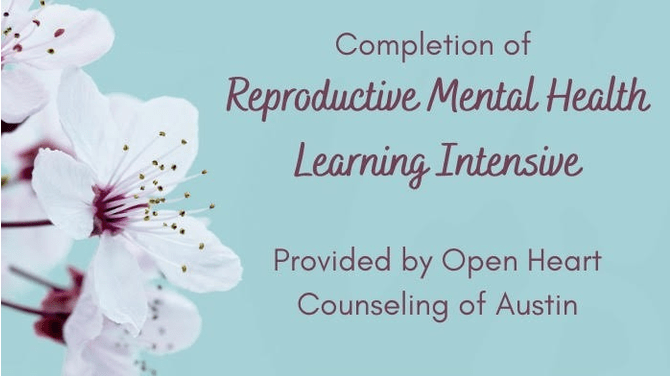
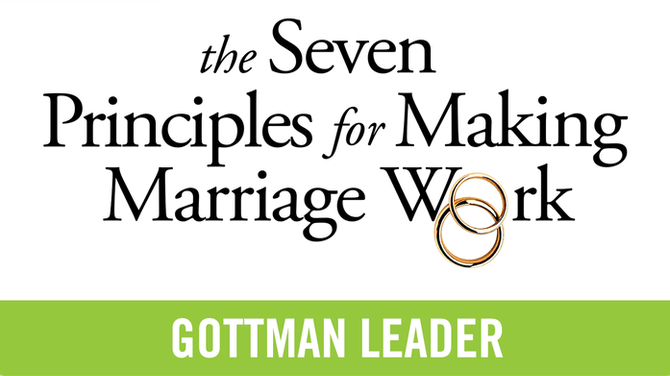
Additionally, I have completed Level 1 and Level 2 Gottman Method Couples Therapy; I have extensively applied the assessments and interventions while working with hundreds of couples as a therapist, a leader of the Seven Principles Couples workshop, and a contributor at numerous Art and Science of Love retreats. I am on the Emotionally Focused Couples Therapy certification track and have completed a six month Reproductive Mental Health Learning Intensive. I have also presented at conferences for helping professionals in the Austin area.
About Me
Even though I made my debut on a military base on the West Coast, I’d say I qualify as a ‘got here as quick as I could’ Texan, arriving as a wee six-month-old. Like any true Austinite, my idea of family bonding leans more towards tracking down good food or cheering on our UT football team rather than ticking off the usual tourist traps…in all honesty, I couldn’t even point a visitor in the right direction.
When not with extended family or running errands, I’m almost always cozied up at home with my husband, daughter, and pups. I’m usually playing with the baby, buried in a book, binge-watching a comfort show (or watching my husband game), jamming out while pretending to be productive…or obsessively staring at my to-do list. My restless mind might drive my other half up the wall, but it also benefits my work in ways I never thought possible ─ I am continually seeking new ways to advance our profession and expand my own knowledge, striving to offer the most genuine and holistic care possible.
Areas of Focus
- Communication
- Conflict Management
- Premarital
- Finances in Relationships
- Multicultural Relationships
- Power Imbalance
- Shared Responsibilities
- Marriage + Business
- Life Transitions
- Family Challenges
- Anxiety & Depression
- Shame
- Self-Esteem
- Imposter Syndrome
- Stress Management
- Anger Management
- Religious Wounds
- Military/Police
- Helping Professionals
- High School/College Sweethearts

